Website credibility scorecard.
Score the visible proof a buyer can check before the first call.
How to read the result.
This is TMN Creative's working diagnostic, built from the questions we use when reviewing serious business websites. It is not a validated research instrument or an industry benchmark.
- 10-12
- Easy to inspect. Most credibility signals are visible and supported. Keep the evidence accurate and current.
- 7-9
- Credible foundation. A few missing signals can still create hesitation or force a buyer to ask basic questions.
- 4-6
- Too much context is offline. The business may be credible, but the website asks buyers to fill in important gaps.
- 0-3
- Trust depends on the conversation. Most proof, people, process, or ownership detail is not yet visible.
What visible evidence looks like.
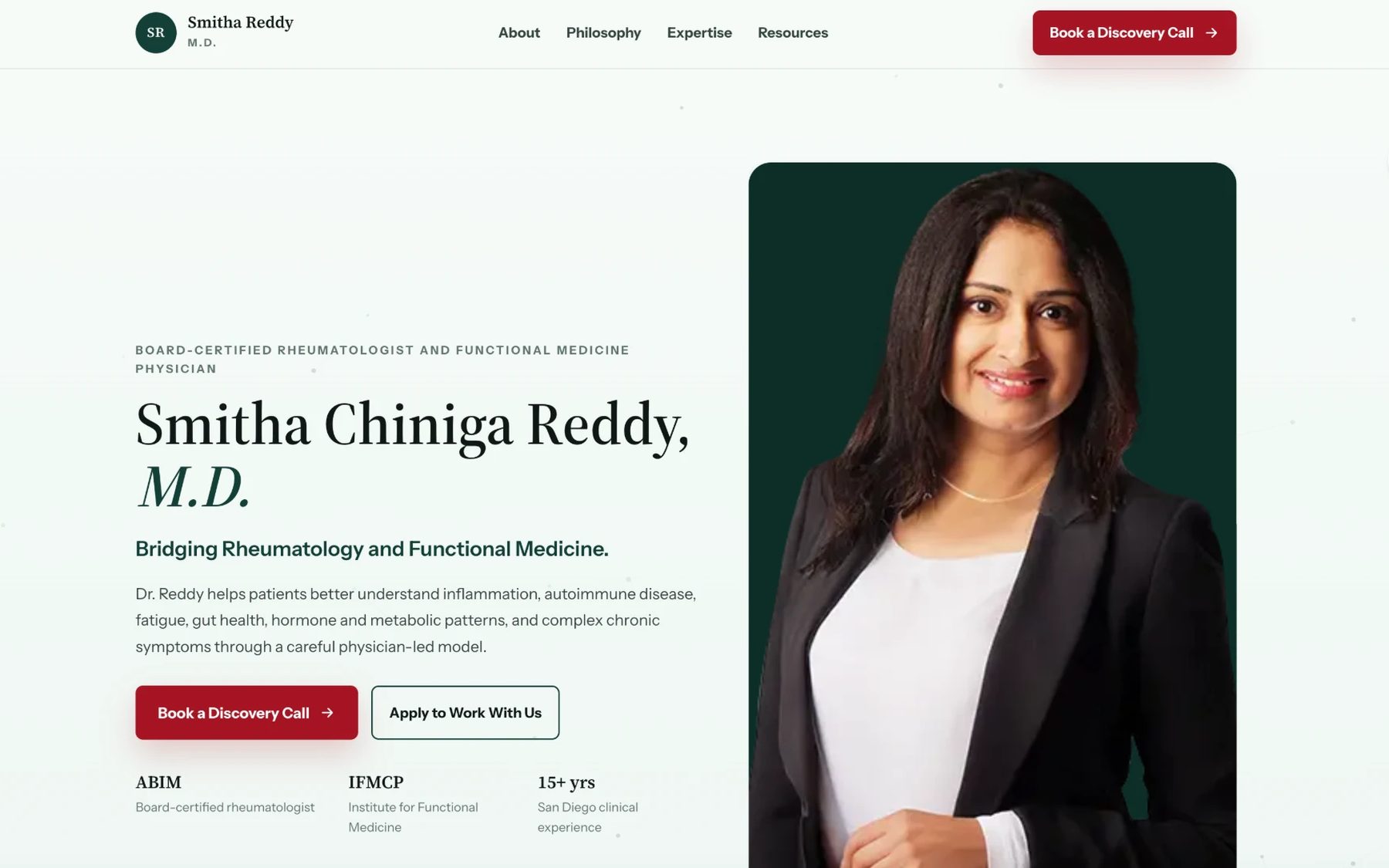
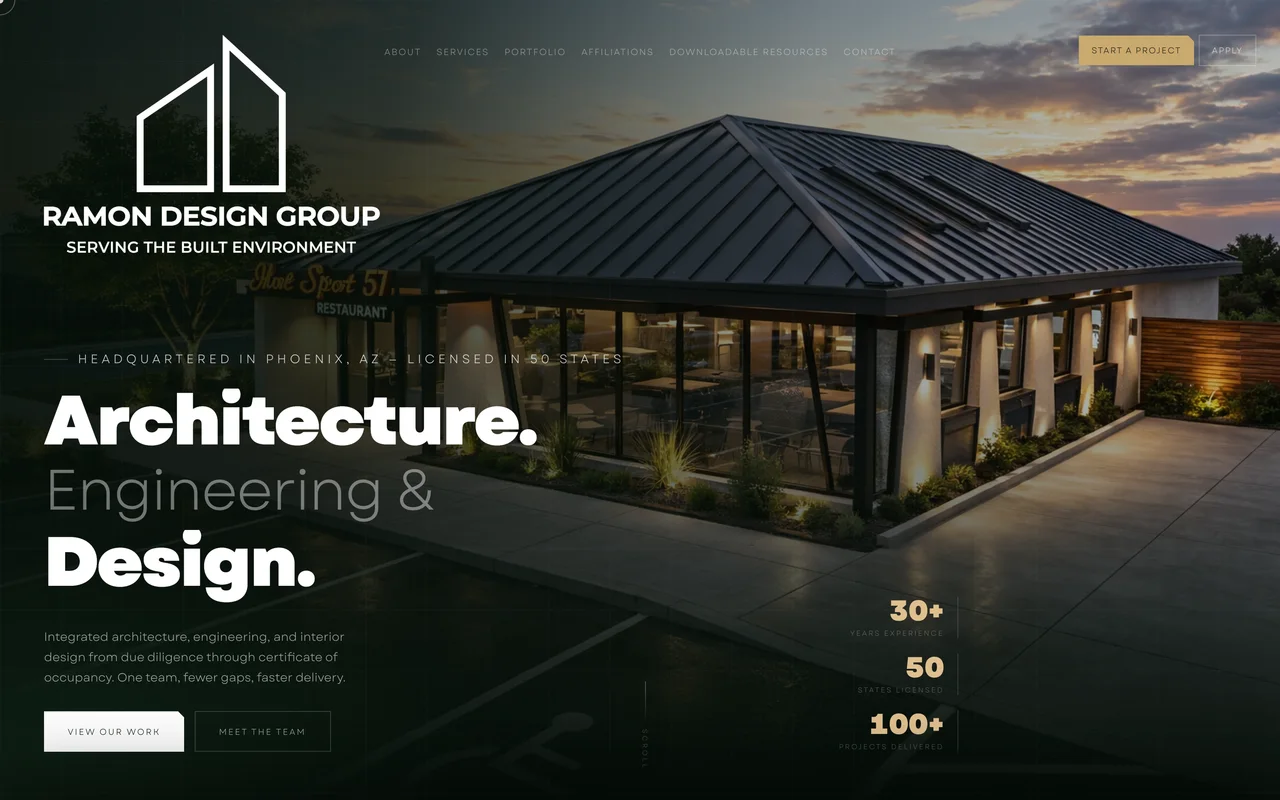
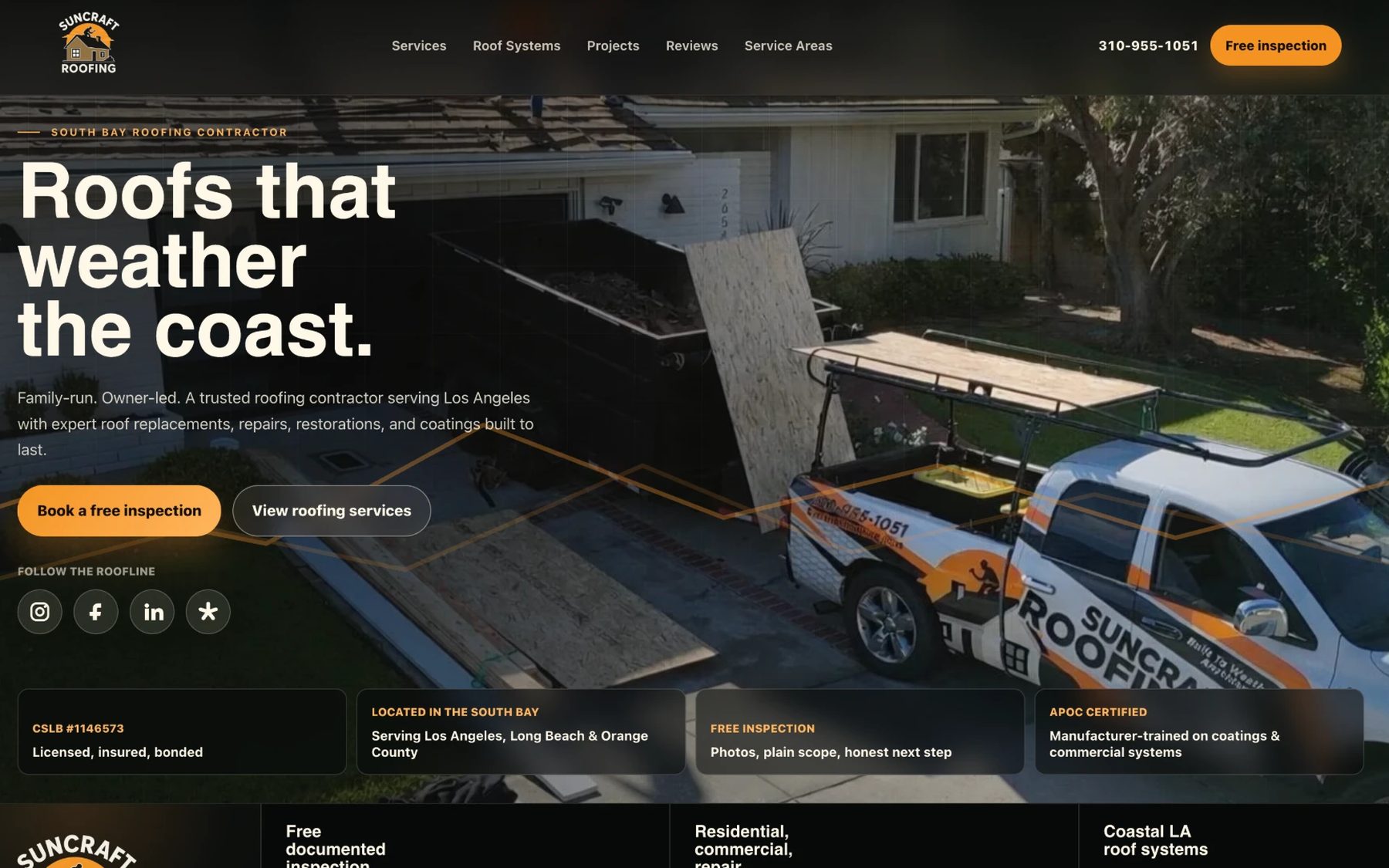
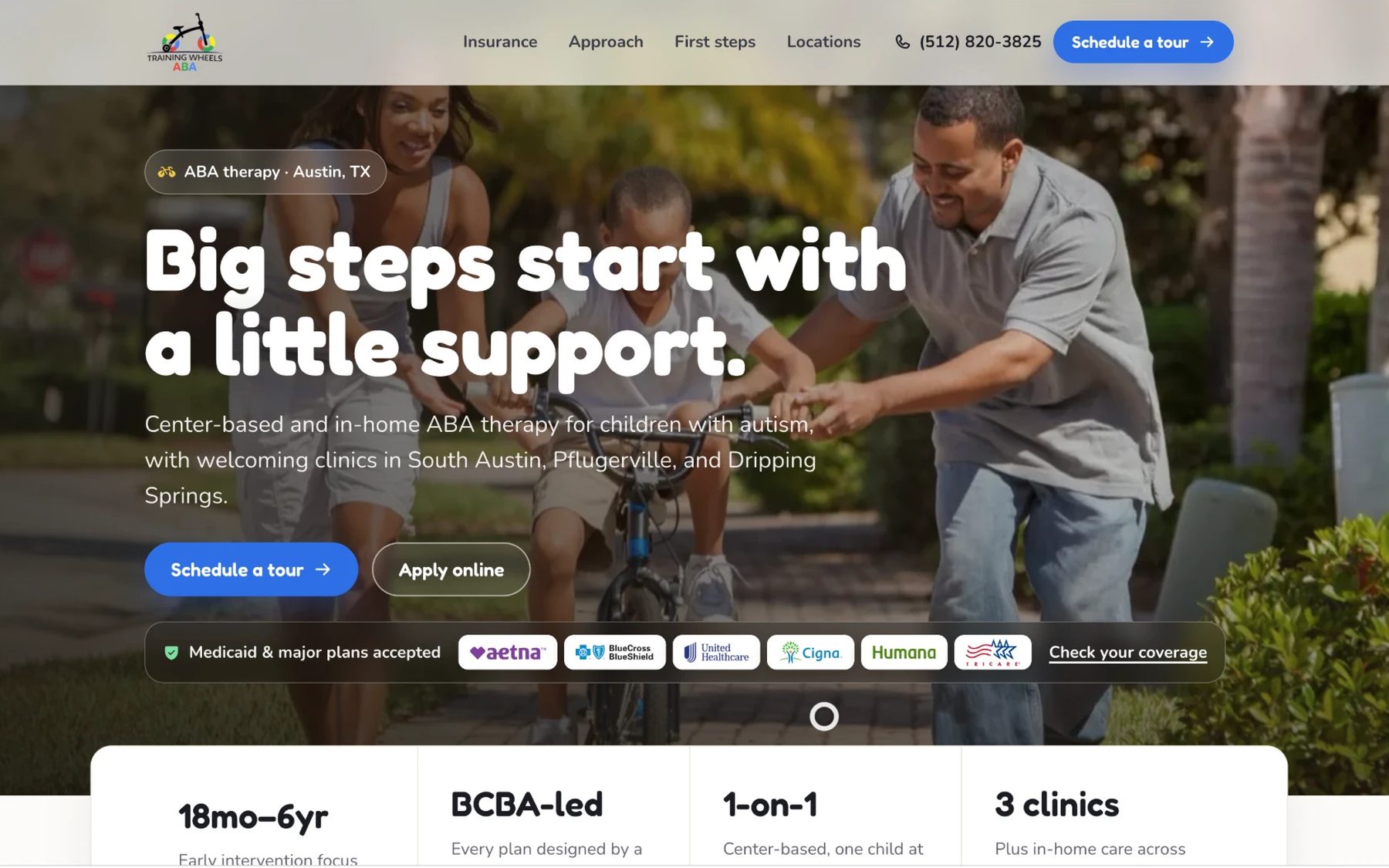
These are public TMN projects. Each example shows a different way to make credibility easier to inspect without inventing outcome metrics.
What the score cannot establish.
A website can expose credibility, but it cannot create facts that do not exist or replace independent diligence.
- Business qualityThe score measures visible website evidence, not the quality of the underlying company, service, advice, or care.
- Legal or regulatory approvalLicenses, disclosures, privacy duties, and regulated claims still require the appropriate client, counsel, CCO, or licensing review.
- Performance outcomesThe score does not predict rankings, speed, accessibility, traffic, leads, conversions, or revenue without separate testing and evidence.
- AI recommendationsNo score or technical change can guarantee that ChatGPT, Google, or another system will cite or recommend a business.
Website credibility scorecard questions.
What counts as verifiable website proof?
Verifiable proof is specific evidence a buyer can inspect, such as named work, live project links, accurate case studies, public reviews, credentials, licenses, team identities, locations, process details, ownership terms, and working contact paths.
What is a good website credibility score?
A score of 10 to 12 means the website makes most important credibility signals easy to inspect. Seven to 9 indicates a credible foundation with meaningful gaps. Four to 6 means buyers must fill in too much context, and zero to 3 means most trust still depends on unsupported claims or an offline conversation. These bands are TMN Creative's working diagnostic, not an industry benchmark.
Does TMN Creative save my scorecard answers?
The scorecard stores checkbox state only in your own browser so the score can persist between visits. It does not ask for a name, website address, email, or account, and the answers are not submitted to TMN Creative.
Does a high credibility score guarantee that ChatGPT or Google will recommend a business?
No. A high score means the website exposes more of the public evidence buyers and systems can evaluate. It does not guarantee rankings, citations, traffic, leads, conversions, or recommendations from ChatGPT, Google, or any other system.
Can I use this scorecard without hiring TMN Creative?
Yes. The scorecard is a free self-audit. You can use the gaps to improve the current website internally, brief another provider, or ask TMN Creative for a free homepage preview.
Want a second set of eyes?
Send the current site. Trevor or Taylor will review the first impression and show what a sharper homepage could look like.