Dental website redesigns for practices that outgrew the template. Built for a clearer patient path.
Template vendors got the practice online. They also made it look like every other practice on the same platform. We rebuild dental websites with treatment pages, a clear new-patient path, and local-search structure. After full payment, the client owns the completed project files created by TMN for the website, subject to the signed agreement.
What usually goes wrong with dental template sites
The issue is not effort. Most practices signed up with a vendor years ago because it was easy. The practice has simply outgrown it.
Template sameness
Patients comparing three practices see three versions of the same layout. Nothing about the site says this practice is different.
Buried new-patient flow
Booking, insurance acceptance, financing, and first-visit expectations should be one tap away, not scattered across menus.
Weak local SEO structure
Implants, Invisalign, cosmetic, and emergency care each deserve a real page built around how patients search, not one crowded services list.
Vendor lock-in
Some vendor agreements do not transfer project files when a subscription ends. Confirm the practice’s rights, exports, and account access before migrating.
Generic stock everything
Stock smiles and template copy undercut a practice that has real providers, real results, and real reviews to show.
Slow mobile experience
Most patients find a dentist on their phone. Heavy template platforms make the first impression slower than it should be.
A clearer patient path. With search structure.
The redesign is more than a visual refresh. It connects relevant search pages to the practice's approved next step without promising a booked visit.
Premium practice brand
A custom visual system presents real provider photos, current credentials, and practice-approved proof in a way patients can evaluate.
New-patient booking path
Online booking routed through NexHealth, LocalMed, or your PMS-connected scheduler, with a tappable phone number for callers.
Treatment pages built around search intent.
Dedicated pages for implants, Invisalign, cosmetic, emergency, and family care, each answering what patients ask before booking.
Insurance & financing clarity
Practice-approved insurance, membership, and financing details are presented plainly so patients can evaluate cost context.
Intake data-flow planning
The practice reviews every public field, destination, vendor, plan, configuration, safeguard, contract, and tracking technology before approving the final flow.
Project-file transfer
After full payment, the client owns the completed project files created by TMN for the website, subject to the signed agreement. Third-party accounts, licensed assets, domains, hosting, and integrations remain governed by their providers and separate terms.
Flat-fee website builds. No retainer required.
Most practice owners need a clear number before they reach out. We keep the public pricing simple and scope the exact path after we review the current site.
Starter Refresh
Focused homepage rebuild, mobile polish, new-patient CTA cleanup, analytics, and a clean handoff. Best when the practice needs a fast credibility reset.
Full Site Rebuild
Multi-page rebuild with treatment pages, local SEO foundations, schema, redirects, booking paths, and launch QA. Best for practices leaving a template vendor.
Custom Studio Build
Strategy-led build for cosmetic-forward and multi-location practices with deeper proof, gallery, and integration needs. Built directly by Trevor and Taylor.
Public healthcare work from the same studio.
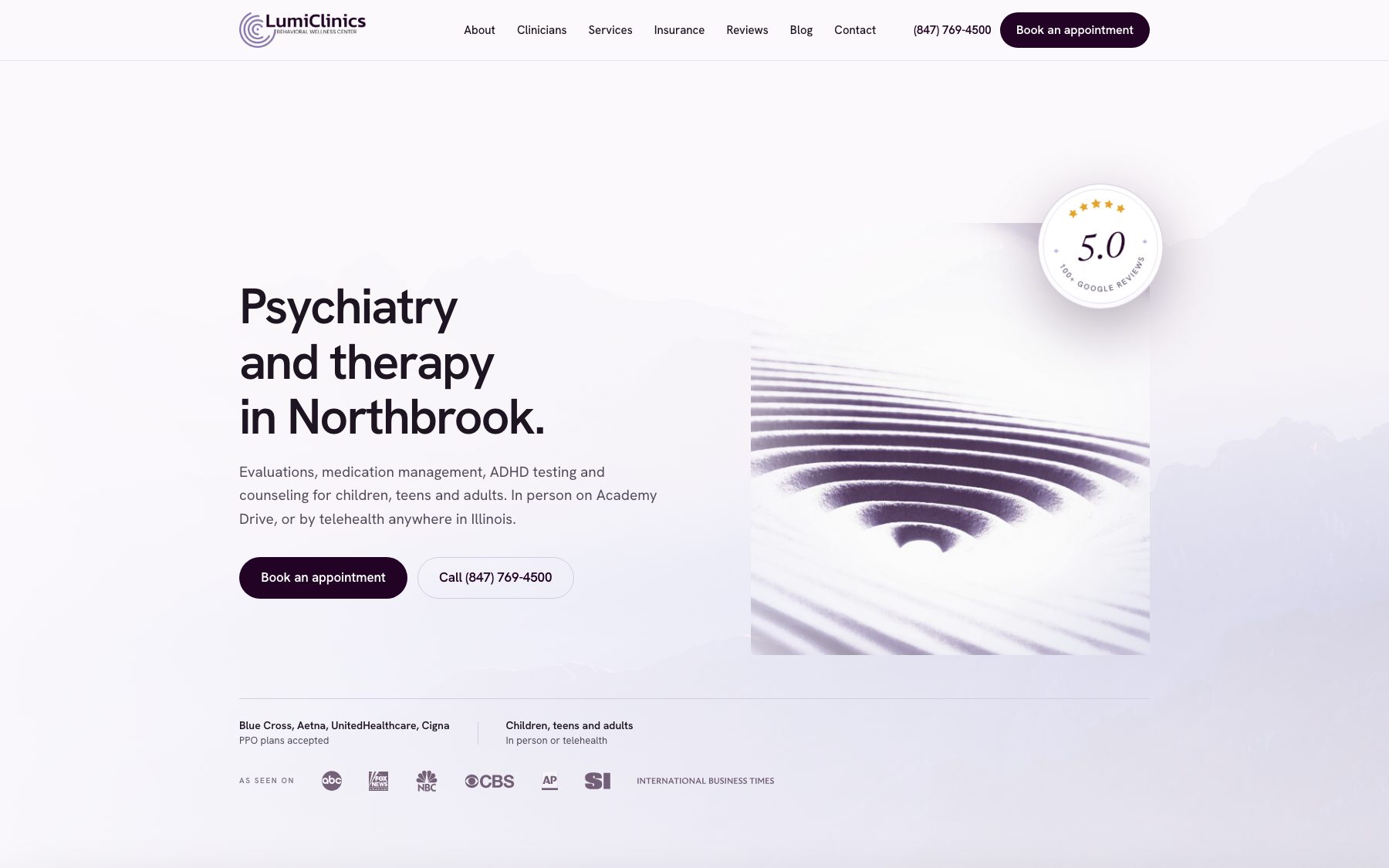
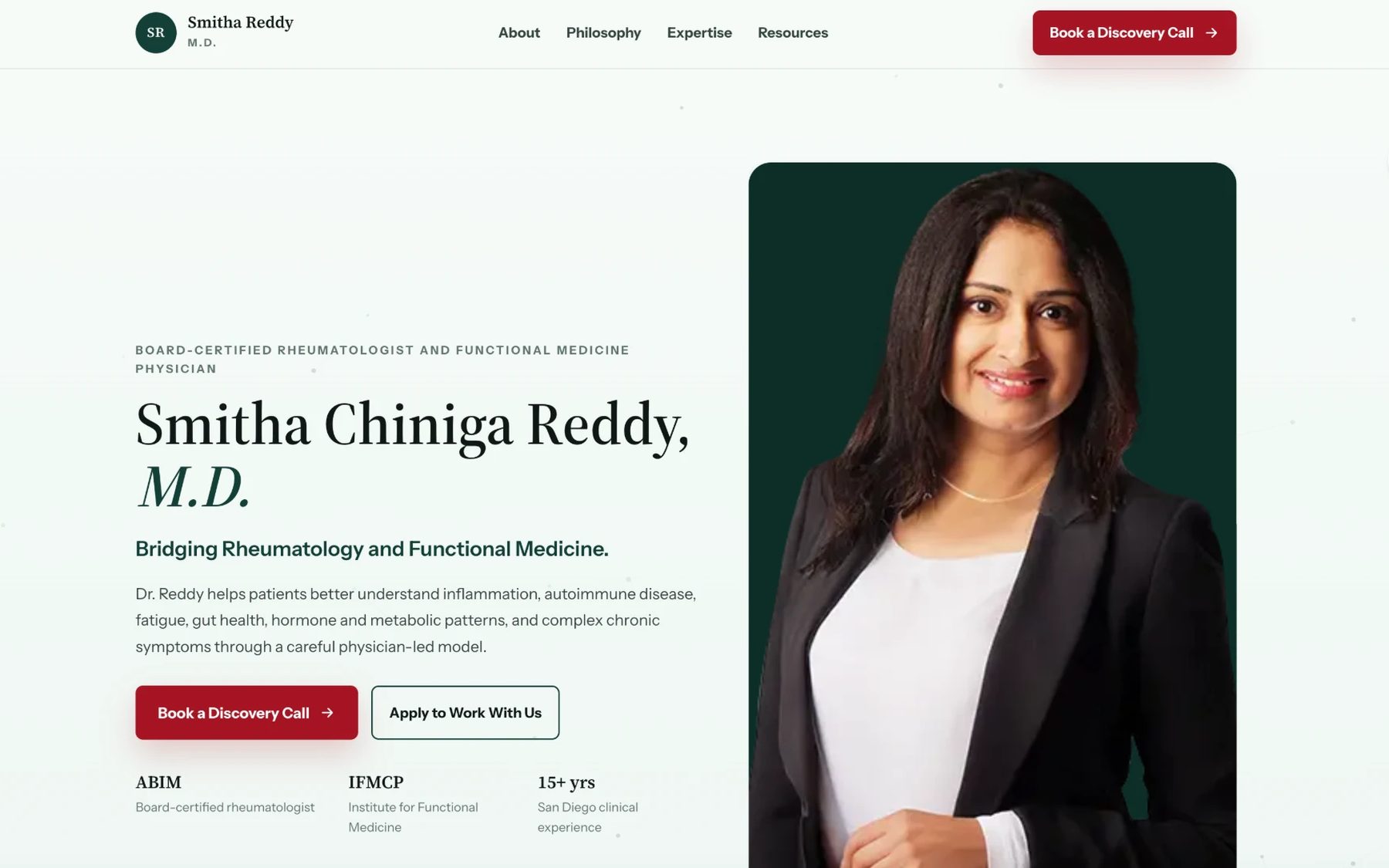
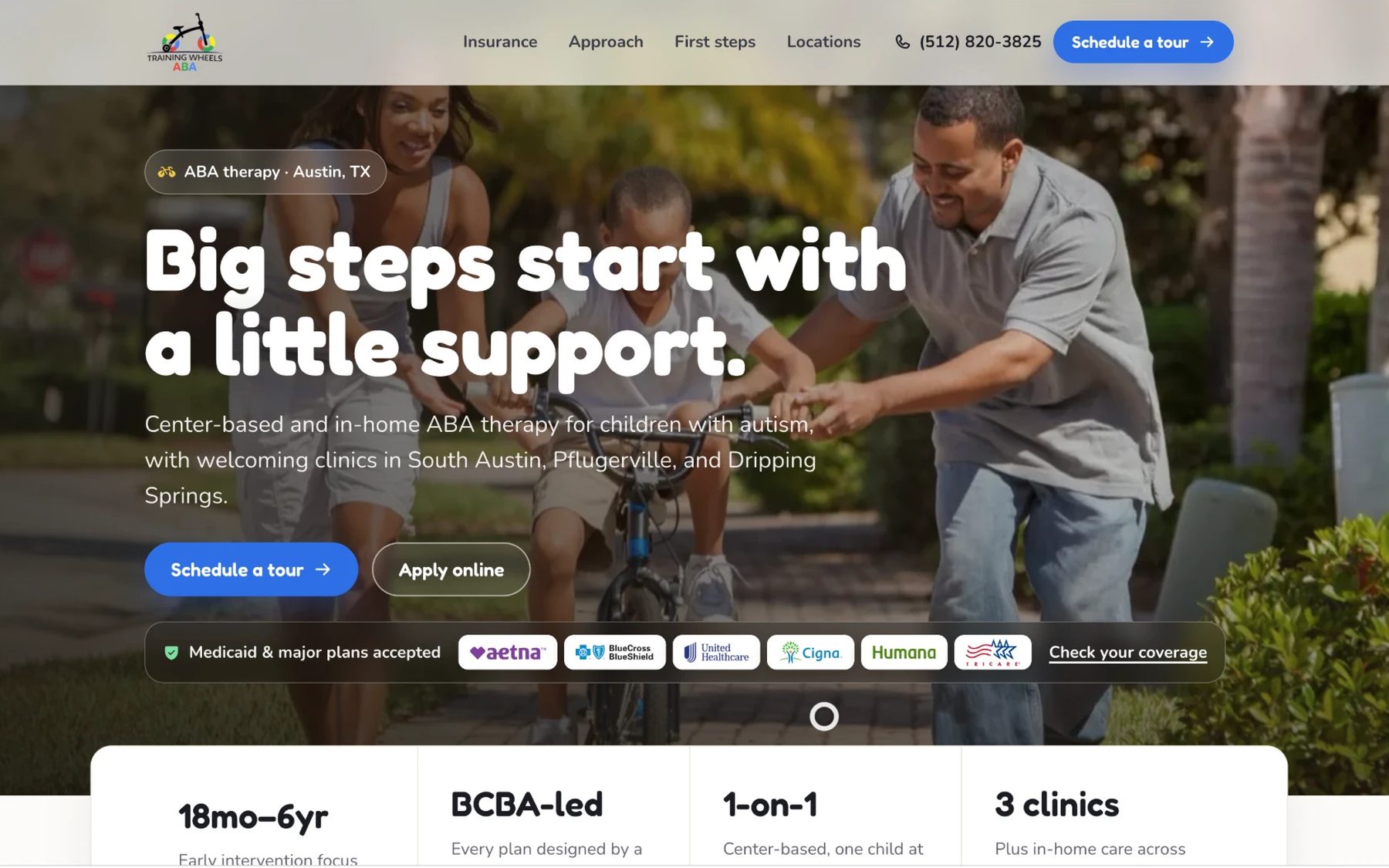
These are live, publicly credited healthcare examples. They show provider and service information architecture without implying a dental engagement we cannot publish.
Questions practices ask before they book.
How much does a dental website redesign cost?
Dental website redesigns start at $2,250 for a focused homepage refresh, $3,750 for a full practice site rebuild with treatment pages and booking paths, and $5,000+ for cosmetic-forward or multi-location builds. Flat fees, no retainers.
Can you migrate our content from ProSites, Officite, or another dental template vendor?
Yes. We reuse the copy, photos, provider bios, and treatment details worth keeping, and rewrite what is generic. After full payment, the client owns the completed project files created by TMN for the website, subject to the signed agreement. Third-party accounts, licensed assets, domains, hosting, and integrations remain governed by their providers and separate terms.
Will we lose our Google rankings when we leave the template vendor?
We map every supported URL to the new site with 301 redirects, preserve metadata that is still accurate, rebuild supported schema, and submit the updated sitemap. A careful migration can reduce avoidable disruption, but search rankings can still change and are not guaranteed.
Can patients book online through Dentrix, Eaglesoft, or Open Dental?
Supported links or embeds can route to NexHealth, LocalMed, or the scheduler already connected to the practice management system when included in scope. The practice reviews the public fields, destination, vendors, plan, configuration, safeguards, contracts, and tracking technologies before approving the final flow. See our healthcare practice website design guide.
How fast can a dental website redesign launch?
Starter Refresh and Full Site Rebuild first drafts typically target 72 hours after kickoff. Custom Studio Build first reviews typically target 7 to 10 days. Final launch timing depends on content, redirects, booking connections, review requirements, and approvals.
Want to see what your practice site could look like before you commit? We will send a preview.
Send us your current site. We’ll review it and send back a custom preview of what a sharper first impression could look like.
Request a Free Preview